The Ultimate Guide to Stainless Steel Cookware
Why professional chefs prefer stainless steel and how to choose the right ply for your home kitchen. We compare All-Clad, Made In, and more.

verified Chef Tested
Hands-on tested by professional chefs
toc Table of Contents
Affiliate Disclosure: We may earn a commission if you purchase through our links. This doesn't affect our reviews.
Stainless steel is the workhorse of the professional kitchen. Unlike non-stick pans that degrade over time and can’t handle high heat, stainless steel cookware lasts decades and actually improves with use. It allows for proper browning and the creation of “fond” — the caramelized bits stuck to the pan that form the base of every great pan sauce.
If you’re serious about cooking, a quality stainless steel skillet is one of the best investments you can make.
Understanding “Ply” Construction
You’ll see terms like 3-ply, 5-ply, and even 7-ply when shopping for stainless steel cookware. This refers to the number of metal layers bonded together. The layers serve different purposes.
Stainless steel on the cooking surface and exterior provides durability, a non-reactive surface, and easy cleaning. However, stainless steel alone conducts heat poorly.
Aluminum or copper cores sandwiched between the stainless layers conduct heat rapidly and distribute it evenly across the pan surface. Without these cores, you’d get extreme hot spots directly over the burner and cold spots everywhere else.
3-ply (tri-ply): Stainless steel / aluminum / stainless steel. This is the most common and effective construction. It heats quickly, responds to temperature changes fast, and is lighter than higher-ply options. Most professional kitchens use tri-ply.
5-ply: Adds extra layers of aluminum and stainless for greater heat retention. The heavier construction holds temperature better when cold food hits the pan, making it slightly more forgiving for beginners. The tradeoff is weight and slower response to heat adjustments.
7-ply: Diminishing returns. The extra layers add weight without meaningful performance improvement for most cooking tasks. Marketing often outpaces the practical benefit here.
Our Top Picks
1. The Industry Standard: All-Clad D3
The D3 has been the benchmark for stainless cookware for decades. Its 3-ply construction (stainless / aluminum / stainless) provides rapid heat response and incredible durability. The flared edges pour sauces without dripping, and the long handle stays cool on the stovetop.
The D3 excels at searing because it responds quickly to heat changes. Turn the burner down and the pan cools fast; turn it up and it heats within seconds. This responsiveness gives you precise control over browning.
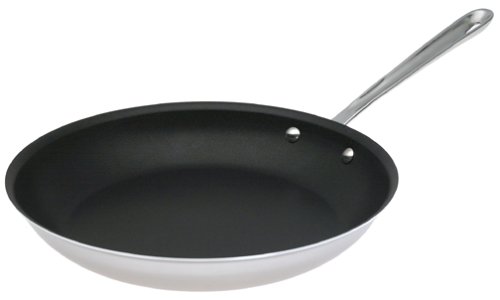
All-Clad D3 Stainless Steel Skillet (12-inch)
All-Clad
The industry standard for professional stainless steel pans, featuring tri-ply bonded construction.
2. The Modern Contender: Made In Stainless Clad
Made In has disrupted the premium cookware market by offering 5-ply construction at a lower price point than All-Clad. The extra layers help with heat retention, making it more forgiving when you drop a cold steak into a hot pan.
The Made In skillet also features a slightly curved sidewall that makes tossing and flipping easier. It’s manufactured in the same Italian factory that produces cookware for several luxury brands.
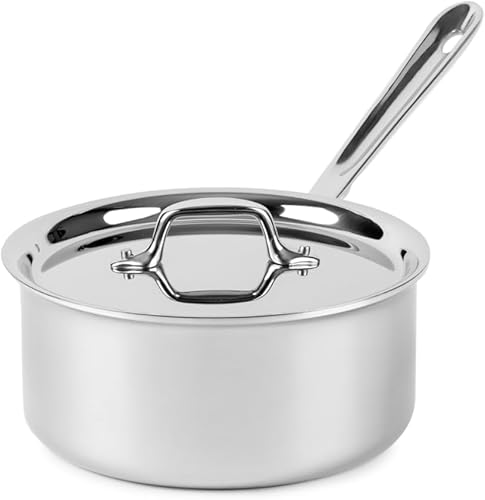
Made In Stainless Clad Frying Pan (10-inch)
Made In
Direct-to-consumer professional cookware that challenges the old-school legacy brands.
How to Cook with Stainless Steel
The number one frustration new stainless steel users have is food sticking. Here’s how to prevent it:
Preheat properly. Set your burner to medium (not high) and let the pan heat for 2-3 minutes. Flick a drop of water onto the surface. It should bead and dance across the pan.
Add oil after preheating. Pour in enough oil to coat the bottom, then wait 30 seconds for the oil to heat. When the oil shimmers and flows easily, the pan is ready.
Don’t move the food. Place your protein and leave it alone. Meat will release naturally once a proper crust forms. If you try to flip and it resists, it’s not ready. Give it another minute.
Deglaze the fond. After searing, add wine, broth, or water to the hot pan. The liquid lifts the fond off the surface and creates an instant sauce. This is why chefs love stainless steel over non-stick.
Maintenance
Stainless steel is nearly indestructible. You can put it in the dishwasher, scrub it with metal scouring pads, and use metal utensils without worry. For stubborn stuck-on food, add water and bring it to a simmer. The residue loosens in minutes. Bar Keeper’s Friend restores any discoloration to a mirror finish.
Common Myths About Stainless Steel
Myth: “Stainless steel is harder to cook with.” It does have a learning curve, but once you master preheating and oil timing, it’s just as easy as non-stick. Most professional cooks learn on stainless steel because it teaches proper technique.
Myth: “You need to season stainless steel.” Unlike cast iron, stainless steel performs perfectly without seasoning. Some cooks season it for extra non-stick properties, but it’s completely optional.
Myth: “Expensive means better.” A $150 tri-ply skillet from a reputable brand outperforms a $300 7-ply skillet with poor handle design. Focus on construction quality, handle comfort, and user reviews rather than price alone.
When to Skip Stainless Steel
Stainless steel isn’t the right choice for every task. Eggs and fish are notoriously difficult on stainless without significant oil. If you cook delicate proteins frequently, keep a quality non-stick pan in your rotation specifically for those tasks. A well-maintained cast iron skillet also develops enough seasoning to handle eggs after a few months of regular use.
For acidic sauces and long braises, stainless steel excels. It won’t react with tomatoes, wine, or citrus the way unlined cast iron or carbon steel does. This makes it the best choice for pan sauces and deglazing.
Our Recommendation
A high-quality stainless steel skillet is a lifetime investment. If you want the best heat responsiveness and professional performance, the All-Clad D3 remains our top choice. If you want more forgiving heat retention at a lower price, Made In is an excellent alternative. Start with a single 10 or 12-inch skillet and add more pieces as your confidence with stainless grows.
Related Guides: Compare stainless steel to other materials in our cast iron vs stainless steel guide. For Dutch oven recommendations, see best Dutch ovens for home cooking. Learn how to season alternative cookware in our carbon steel pan guide.
Marcus Chen
Senior Kitchen Equipment Editor• Culinary Institute of America graduate • Former sous chef, Atelier Crenn SF • 3 years experience in Kyoto kaiseki kitchens
Marcus Chen is a professional cook and kitchen equipment specialist with 15 years of hands-on experience across restaurant kitchens in San Francisco and Tokyo. He has worked alongside Japanese bladesmiths in Sakai and Seki, trained in classical French technique, and spent three years cooking kaiseki in Kyoto. At Kitchenware Authority, Marcus leads all product testing and editorial standards — every recommendation passes through his kitchen before it reaches yours.
Upgrade Your Kitchen Skills
Get chef-tested gear reviews, maintenance tips, and exclusive buying guides delivered to your inbox.
Join 15,000+ home cooks. No spam, ever.