How to Sharpen a Japanese Knife with a Whetstone
A step-by-step guide to sharpening Japanese knives at home using a whetstone. From choosing the right grit to achieving a razor edge.

verified Chef Tested
Hands-on tested by professional chefs
toc Table of Contents
Affiliate Disclosure: We may earn a commission if you purchase through our links. This doesn't affect our reviews.
A sharp knife is a safe knife. This isn’t just a cliché — a dull blade requires more force, gives you less control, and is far more likely to slip off food and into your finger. Japanese knives, with their harder steel and thinner edges, hold their sharpness longer than Western knives but eventually need attention.
The good news: sharpening at home is straightforward, meditative, and deeply satisfying. In 10-15 minutes with a basic whetstone, you can restore a dull edge to factory-sharp.
What You’ll Need
- Combination whetstone (1000/6000 grit) — $20-40. This is the only tool most home cooks need. The King KDS 1000/6000 is the most popular entry-level stone.
- Stone holder or non-slip base , Most stones come with one. A damp towel under the stone also works.
- Water , Japanese whetstones are water stones. Soak the 1000-grit side for 10-15 minutes before use. The 6000-grit side usually only needs splashing.
- A towel , For drying the knife and cleaning up.
You do not need: expensive sharpening systems, guided angle tools, leather strops, or diamond plates. Those are useful but not necessary for home sharpening.
Understanding Your Edge
Japanese knives typically have a 12-15 degree edge angle per side (compared to 20 degrees on German knives). This sharper angle is what gives Japanese knives their incredible cutting performance, but it also means the edge is thinner and more delicate.
Single Bevel vs. Double Bevel
- Double bevel (most common): Sharpened on both sides. Gyuto, Santoku, Nakiri, and Petty knives are typically double bevel. Sharpen both sides equally.
- Single bevel: Sharpened only on one side (the flat side gets a minimal back-bevel). Yanagiba, Deba, and Usuba are single bevel. If you own one of these, follow manufacturer-specific instructions.
Step-by-Step Sharpening Guide
Step 1: Soak the Stone
Submerge your 1000-grit stone in water for 10-15 minutes. You’ll see air bubbles rising , when they stop, the stone is fully saturated. Place it on a stable surface with the 1000-grit side facing up.
Step 2: Find Your Angle
Hold the knife with the blade facing away from you. Place the edge on the stone and tilt the spine upward until you feel the bevel sit flat against the surface. For most Japanese knives, this is about 15 degrees , roughly the height of two stacked coins under the spine.
Many beginners obsess over finding the exact angle. The truth: consistency matters more than precision. Being consistently at 14 degrees is far better than wobbling between 12 and 18.
Step 3: Sharpen the First Side (1000 Grit)
With light, even pressure, push the blade forward across the stone in a sweeping motion, covering the entire length of the edge from heel to tip. Think of it as trying to shave a thin layer off the stone’s surface.
- Use 5-10 strokes per section, working from the heel to the middle, then the middle to the tip.
- Apply pressure on the push stroke only. Lift slightly on the return.
- Keep the stone wet , splash water whenever it starts to feel dry.
- You’ll notice a dark slurry forming. This is good , it’s the abrasive doing its job. Don’t wash it away.
Step 4: Check for a Burr
After 20-30 strokes per section, run your thumb across (never along!) the edge from the unsharpened side. You should feel a slight roughness , a tiny curl of metal called a burr. The burr tells you that you’ve sharpened all the way to the edge. If you don’t feel one, keep sharpening.
Step 5: Sharpen the Second Side
Flip the knife and repeat the process on the other side. Use the same angle and the same number of strokes. For double-bevel knives, both sides should receive equal attention.
Step 6: Remove the Burr
Now flip the stone to the 6000-grit side (splash with water). Make 5-10 light passes on each side, alternating. This polishes the edge and removes the burr, leaving you with a clean, refined cutting surface.
Step 7: Test the Edge
Three ways to test sharpness:
- Paper test: Hold a sheet of paper vertically and slice downward. A sharp knife should cut cleanly without tearing.
- Tomato test: A sharp knife should slice through a tomato skin with zero downward pressure , just the weight of the blade.
- Fingernail test: Gently rest the edge on your fingernail at an angle. A sharp edge will catch and bite; a dull edge will slide.
Between Sharpenings: Honing
You don’t need to full-sharpen every week. Between sharpening sessions, a ceramic honing rod realigns the edge without removing material. Five passes per side before each cooking session keeps the edge performing well.
Important: Never use a traditional steel honing rod on a Japanese knife. The steel is too hard and brittle , a steel rod can cause micro-chips in the edge.
Common Mistakes
- Too much pressure. Let the stone do the work. Heavy pressure causes uneven grinding and can dish your stone.
- Inconsistent angle. This is the #1 beginner mistake. Lock your wrist and move from the shoulder, not the wrist.
- Skipping the burr check. If you don’t raise a burr, you haven’t reached the edge. Keep going.
- Using the wrong stone. Only use water stones on Japanese knives. Oil stones and pull-through sharpeners are too aggressive.
Recommended Knives to Practice On
Starting with an affordable knife reduces anxiety while you learn:
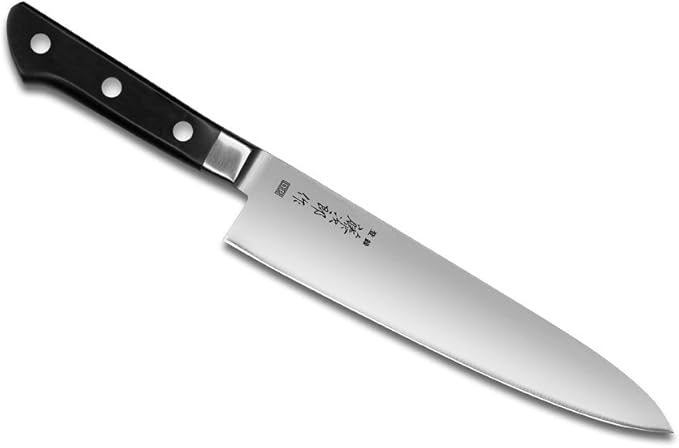
Tojiro DP 8" Gyuto
Tojiro
The best entry-level Japanese knife with VG10 core steel. Exceptional sharpness at an unbeatable price.
Tojiro DP Gyuto
~$70
Once you’re confident in your technique, maintaining a premium knife becomes effortless:
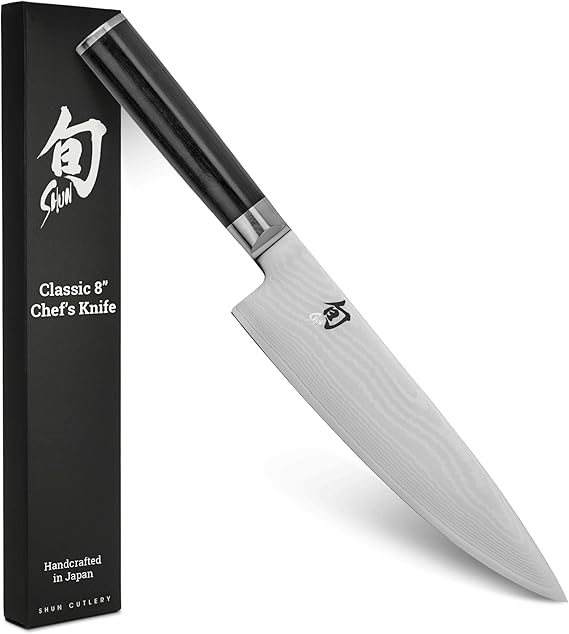
Shun Classic 8" Chef's Knife
Shun
A handcrafted Japanese chef's knife featuring 68 layers of Damascus cladding and a VG-MAX cutting core.
Shun Classic 8' Chef's Knife
~$170
Final Tips
- Sharpen before the knife is truly dull. Maintenance sharpening (10 minutes every 2 weeks) is far easier than restoring a neglected edge.
- Flatten your stone periodically. Whetstones wear unevenly and can dish in the center with repeated use. A flattening stone or sandpaper on a flat surface fixes this.
- Enjoy the process. Many cooks find sharpening meditative , it’s a direct, tactile connection to your most important kitchen tool.
More Knife Care: Need sharpening stones and honing rods? See our essential knife accessories guide. Understanding your blade’s steel type matters for sharpening angles, so read our steel guide.
Marcus Chen
Senior Kitchen Equipment Editor• Culinary Institute of America graduate • Former sous chef, Atelier Crenn SF • 3 years experience in Kyoto kaiseki kitchens
Marcus Chen is a professional cook and kitchen equipment specialist with 15 years of hands-on experience across restaurant kitchens in San Francisco and Tokyo. He has worked alongside Japanese bladesmiths in Sakai and Seki, trained in classical French technique, and spent three years cooking kaiseki in Kyoto. At Kitchenware Authority, Marcus leads all product testing and editorial standards — every recommendation passes through his kitchen before it reaches yours.
Upgrade Your Kitchen Skills
Get chef-tested gear reviews, maintenance tips, and exclusive buying guides delivered to your inbox.
Join 15,000+ home cooks. No spam, ever.