Japanese Knife Steel Guide: VG-10, SG2, White Steel & More
Understand the steels behind Japan's best kitchen knives. We explain hardness, edge retention, and which steel suits your cooking style.

verified Chef Tested
Hands-on tested by professional chefs
toc Table of Contents
Affiliate Disclosure: We may earn a commission if you purchase through our links. This doesn't affect our reviews.
The steel inside a knife is what defines its performance. Two knives can look identical but feel completely different in use — one glides through tomato skin while the other tears it. The difference is the steel.
Japanese bladesmiths have spent centuries refining their craft, and today’s knife steels represent the pinnacle of metallurgy. Understanding these steels helps you buy smarter and care for your knives better.
The Two Families: Carbon vs. Stainless
Every knife steel falls into one of two families:
Carbon Steel (Hagane)
Pure carbon steel contains iron and carbon with minimal other elements. It’s the traditional choice for Japanese knives, prized for its ability to take an incredibly fine edge. The downside: it rusts. Leave a carbon steel knife wet for 10 minutes and you’ll see orange spots.
Common types: White Steel (Shirogami), Blue Steel (Aogami), Aogami Super
Stainless Steel
Stainless steels add chromium (13%+) to resist corrosion. Modern Japanese stainless alloys perform remarkably close to carbon steel while being far more practical for daily use.
Common types: VG-10, VG-MAX, SG2/R2, AUS-10, Ginsan (Silver-3)
Stainless Steels (Best for Most Home Cooks)
VG-10 , The Workhorse
- Hardness: 60-61 HRC
- Used by: Shun (Classic/Premier), Tojiro DP, MAC, Hattori
- Character: The most popular Japanese knife steel worldwide. Excellent sharpness, good edge retention, and strong corrosion resistance. Sharpens easily on a whetstone.
VG-10 is the steel we recommend for most home cooks. It doesn’t demand the maintenance of carbon steel, takes an excellent edge, and forgives the occasional neglect that comes with a busy kitchen.
Example knife using VG-10:
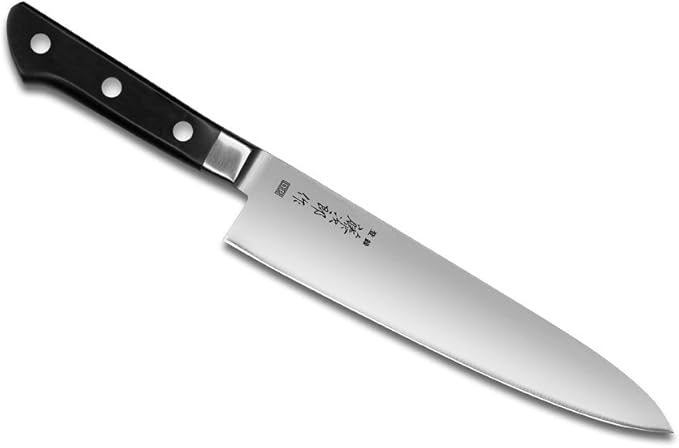
Tojiro DP 8" Gyuto
Tojiro
The best entry-level Japanese knife with VG10 core steel. Exceptional sharpness at an unbeatable price.
Tojiro DP Gyuto (VG-10)
~$70
VG-MAX , The Upgraded VG-10
- Hardness: 60-61 HRC
- Used by: Shun Classic (current production)
- Character: Shun’s proprietary improvement on VG-10. Adds extra tungsten and vanadium for better edge retention, and slightly more chromium for improved corrosion resistance. In practice, the upgrade is subtle , a VG-MAX knife holds its edge about 10-15% longer than standard VG-10.
Example knife using VG-MAX:
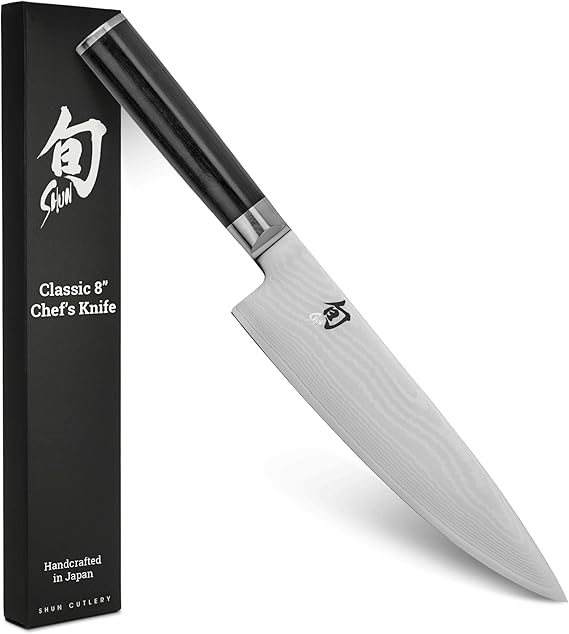
Shun Classic 8" Chef's Knife
Shun
A handcrafted Japanese chef's knife featuring 68 layers of Damascus cladding and a VG-MAX cutting core.
Shun Classic (VG-MAX)
~$170
SG2 / R2 , The Performance King
- Hardness: 63-64 HRC
- Used by: Miyabi Birchwood, Miyabi Artisan, Takamura, some Hattori
- Character: A powder metallurgy steel , meaning the steel is atomized into a fine powder before being sintered into billets. This creates an incredibly uniform grain structure, which translates to an edge that’s thinner, sharper, and longer-lasting than conventional steel.
SG2 holds an edge approximately 2-3 times longer than VG-10. The tradeoff: it’s more brittle at 63 HRC. Lateral stress, twisting, or hitting bone can cause micro-chipping. Treat it with respect and it rewards you with extraordinary cutting performance.
Example knife using SG2:

Miyabi Birchwood SG2 Chef's Knife
Miyabi
The pinnacle of Japanese craftsmanship, featuring SG2 micro-carbide powder steel and a spectacular Karlian birchwood handle.
Miyabi Birchwood SG2
~$350
AUS-10 , The Value Pick
- Hardness: 59-60 HRC
- Used by: Shun Kanso, some Global models
- Character: A Japanese stainless steel that offers good performance at a lower price point than VG-10. Slightly softer, which makes it more forgiving but also means more frequent sharpening.
Ginsan (Silver-3) , The Hybrid
- Hardness: 60-61 HRC
- Used by: Some Masamoto, Aritsugu models
- Character: A stainless steel designed to mimic the sharpening feel and edge quality of White Steel. Often called “stainless hagane” , it sharpens beautifully and takes a keen edge while resisting corrosion.
Carbon Steels (For Enthusiasts)
White Steel #1 & #2 (Shirogami)
- Hardness: 63-65 HRC (White #1), 61-63 HRC (White #2)
- Used by: Many traditional makers (Konosuke, Watanabe, Aritsugu)
- Character: The purest carbon steel. Virtually no alloying elements , just iron and carbon. White #1 takes the finest, sharpest edge of any kitchen knife steel. It’s the choice of sushi chefs who need absolute precision.
The downside: it rusts fast, dulls faster than harder steels, and requires constant maintenance. White Steel is for people who enjoy the ritual of knife care.
Blue Steel #1 & #2 (Aogami)
- Hardness: 63-65 HRC (Blue #1), 61-63 HRC (Blue #2)
- Character: White Steel with added tungsten and chromium (not enough for stainless, but enough for better wear resistance). Blue Steel holds an edge longer than White while retaining much of the same sharpness.
Aogami Super
- Hardness: 64-67 HRC
- Used by: Kohetsu, Takeda, some Yoshihiro
- Character: The ultimate carbon steel. Adds vanadium and molybdenum to Blue Steel for extreme hardness and edge retention. At 64-67 HRC, it’s one of the hardest steels used in kitchen knives. The edge lasts impressively long but requires careful handling.
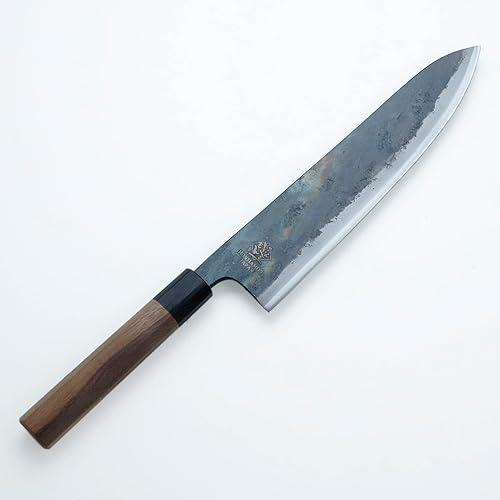
Kohetsu Aogami Super 8" Gyuto
Kohetsu
Hand-forged gyuto with premium Aogami Super steel. Exceptional edge retention with beautiful kurouchi finish.
Quick Reference Chart
| Steel | Type | HRC | Edge Retention | Ease of Sharpening | Rust Resistance | Best For |
|---|---|---|---|---|---|---|
| VG-10 | Stainless | 60-61 | ★★★☆☆ | ★★★★☆ | ★★★★★ | Most home cooks |
| VG-MAX | Stainless | 60-61 | ★★★½☆ | ★★★★☆ | ★★★★★ | Shun fans |
| SG2/R2 | Stainless | 63-64 | ★★★★★ | ★★★☆☆ | ★★★★☆ | Performance cooks |
| AUS-10 | Stainless | 59-60 | ★★½☆☆ | ★★★★★ | ★★★★★ | Budget entry |
| White #1 | Carbon | 63-65 | ★★★☆☆ | ★★★★★ | ★☆☆☆☆ | Purists, sushi |
| Blue #2 | Carbon | 61-63 | ★★★½☆ | ★★★★☆ | ★½☆☆☆ | Traditional cooking |
| Aogami Super | Carbon | 64-67 | ★★★★★ | ★★☆☆☆ | ★½☆☆☆ | Enthusiasts |
Which Steel Should You Choose?
Just getting started? → VG-10 (Tojiro DP, MAC) , affordable, forgiving, sharp.
Ready to invest? → SG2 (Miyabi Birchwood) , the best edge retention you can get in stainless.
Want the traditional experience? → Blue Steel #2 , a good balance of performance and maintainability for your first carbon knife.
Obsessed with sharpness? → White #1 , nothing gets sharper, period.
The steel is important, but remember: any steel can be sharp if you maintain it. A VG-10 knife sharpened weekly will outcut an SG2 knife that hasn’t been sharpened in months. Good technique and consistent maintenance matter more than the alloy name stamped on the blade.
Next Steps: Ready to buy? See our best Japanese knives for home cooks and knives under $100. Already own a knife? Learn how to sharpen it and pick up essential accessories.
Marcus Chen
Senior Kitchen Equipment Editor• Culinary Institute of America graduate • Former sous chef, Atelier Crenn SF • 3 years experience in Kyoto kaiseki kitchens
Marcus Chen is a professional cook and kitchen equipment specialist with 15 years of hands-on experience across restaurant kitchens in San Francisco and Tokyo. He has worked alongside Japanese bladesmiths in Sakai and Seki, trained in classical French technique, and spent three years cooking kaiseki in Kyoto. At Kitchenware Authority, Marcus leads all product testing and editorial standards — every recommendation passes through his kitchen before it reaches yours.
Upgrade Your Kitchen Skills
Get chef-tested gear reviews, maintenance tips, and exclusive buying guides delivered to your inbox.
Join 15,000+ home cooks. No spam, ever.