Best Nakiri Knives for Vegetable Prep: Flat-Edge Japanese Picks
The best nakiri knives for vegetable prep, including Tojiro, MAC, Miyabi, and Yoshihiro picks for push cuts, herbs, onions, cabbage, and careful home cooks.

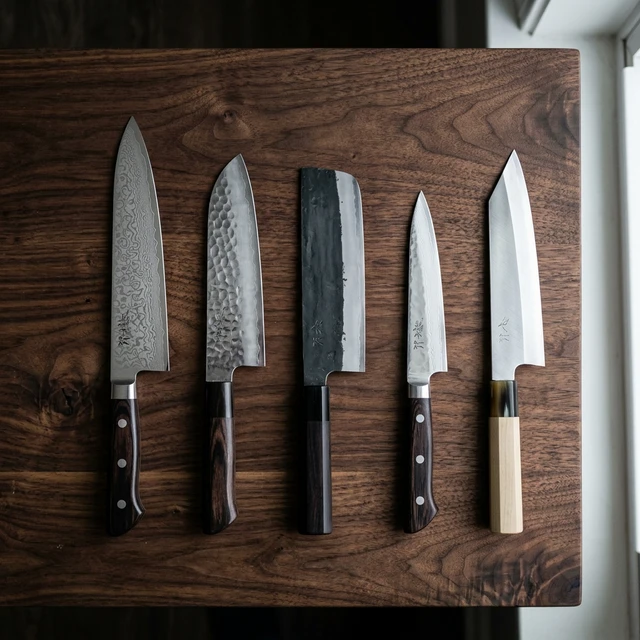
Table of Contents
Affiliate Disclosure: We may earn a commission if you purchase through our links. This doesn't affect our reviews.
Listing check: Amazon titles and photos change. Confirm the steel, length, and model named on this page match the listing before you buy — this is a research note from Nora Whitfield, not a copy of the Amazon product copy.
The best nakiri knife for most home cooks is the Tojiro Classic F-502 Nakiri 165mm. It gives you the shape that makes nakiri knives useful in the first place: a flat edge, a tall rectangular blade, stainless-clad VG-10 construction, and a familiar Western handle.
A nakiri is not the first Japanese knife most people should buy. Start with a gyuto or santoku if you need one all-purpose blade. But if your meals involve piles of onions, cabbage, herbs, mushrooms, greens, zucchini, cucumbers, carrots, or tofu, a nakiri can make vegetable prep feel calmer and more precise.
Quick answer: Buy the Tojiro F-502 Nakiri if you want the safest first nakiri. Buy the MAC Japanese Series JU-65 if you want a lighter, practical daily vegetable knife. Buy the Miyabi Evolution Nakiri if you want a more polished stainless option, and choose the Yoshihiro White #2 Nakiri only if you want carbon-steel care.
Quick Picks
| Pick | Best for | Why it belongs here |
|---|---|---|
| Tojiro Classic F-502 Nakiri | Best overall | VG-10 core, stainless cladding, 165mm blade, and easy maintenance. |
| MAC Japanese Series JU-65 | Best light daily nakiri | Thin double-beveled edge, 6.5-inch blade, and practical MAC ergonomics. |
| Miyabi Evolution 6.5-Inch Nakiri | Best premium stainless | FC61 steel, Seki production, rounded spine and heel, and a familiar handle. |
| Yoshihiro White #2 Nakiri | Best carbon-steel pick | Traditional carbon-steel cutting feel for cooks willing to dry and maintain it carefully. |
What A Nakiri Does Better
A nakiri is a Japanese vegetable knife with a flat edge and a squared-off tip. The flat profile is the point: instead of rocking through parsley or using the curved belly of a chef knife, you push down and forward so the whole edge meets the board.
That is why nakiri knives shine on:
- onions, shallots, scallions, and leeks
- cabbage, bok choy, kale, chard, and lettuce
- mushrooms, zucchini, cucumbers, celery, and peppers
- herbs that bruise under rough rocking
- tofu, boneless fish, and cooked proteins
They are not mini cleavers. Do not use a nakiri to hack through chicken bones, frozen food, hard squash stems, lobster shells, or anything that invites twisting. If you want one knife for everything, use our best Japanese knives for home cooks guide instead.
1. Tojiro Classic F-502 Nakiri: Best Overall
Tojiro Classic F-502 Nakiri 165mm
Tojiro
A stainless-clad VG-10 nakiri with a flat vegetable-prep profile and Western full-tang handle.
Tojiro Classic F-502 Nakiri 165mm
The Tojiro F-502 is the easiest nakiri to recommend first because it keeps the risk low. Tojiro's official page lists a 165mm blade, VG-10 core, 13-chrome stainless outer layers, reinforced laminated full-tang handle, double bevel, and 200g weight. That combination is practical: you get a real Japanese vegetable profile without moving into carbon-steel upkeep.
The flat 165mm blade is short enough for home boards but tall enough to guide knuckles and scoop cut vegetables. It feels more purpose-built than a santoku when you are push-cutting cabbage or rows of herbs, yet the Western handle will not feel alien if you are coming from Victorinox, Wusthof, or Henckels. If you are choosing between Tojiro and Shun for a vegetable knife specifically, our Tojiro vs Shun nakiri comparison breaks down the steel, edge, and care differences head-to-head.
Best for: a first nakiri, stainless convenience, meal-prep vegetables, and cooks who want the safest value pick.
Skip it if: you want a featherweight blade, artisan finishing, or a showpiece handle.
2. MAC Japanese Series JU-65: Best Light Daily Nakiri
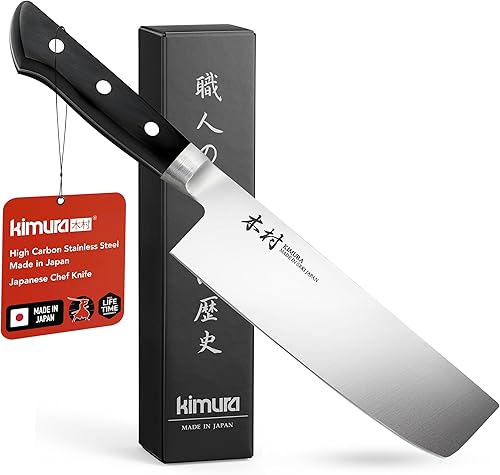
MAC Japanese Series JU-65 Vegetable Knife
MAC
A light 6.5-inch Japanese vegetable knife with a straight double-beveled edge for clean board contact.
MAC Japanese Series JU-65 Vegetable Knife
MAC calls the JU-65 a Japanese vegetable cleaver, but its official description is exactly what most shoppers mean by a double-beveled nakiri: a thin, straight-edged knife for slicing and chopping fruits and vegetables. MAC lists a 6.50-inch blade, 5.6 oz weight, 1.85-inch blade height, and 2.5mm blade thickness.
The appeal is everyday practicality. It is light, simple, and less decorative than many premium Japanese knives. The straight edge helps with clean board contact, while the height gives useful guidance through onions, cucumbers, and greens.
Best for: vegetable-heavy weeknight cooking, cooks who like lighter MAC knives, and buyers who care more about usefulness than ornament.
Skip it if: you want a very thin laser feel or a traditional wa-handle.
3. Miyabi Evolution 6.5-Inch Nakiri: Best Premium Stainless
Miyabi Evolution 6.5-Inch Nakiri
Miyabi
A polished FC61 nakiri from Seki with an ergonomic Western handle and thin Japanese-style profile.
Miyabi Evolution 6.5-Inch Nakiri
The Miyabi Evolution is the polished, gift-friendly pick. Zwilling's current product page lists the 34025-173 nakiri with FC61 steel, Japanese origin, 60-62 HRC hardness, a 6.50-inch blade, 0.47 lb weight, and a glass-fiber enhanced POM handle. It is still a vegetable-first knife, but the rounded spine and heel make it feel more finished than the basic value options.
Choose it if you want the nakiri shape but prefer a familiar handle, warranty-backed brand presence, and a cleaner fit-and-finish story. It is also a sensible bridge for someone comparing premium Japanese brands in our Shun vs Miyabi guide or deciding whether a value brand or premium brand makes more sense in our Tojiro vs Shun comparison.
Best for: premium stainless buyers, gifts, and cooks who want a Japanese profile with Western-handle comfort.
Skip it if: value matters most. The Tojiro gives you the core nakiri experience for less.
4. Yoshihiro White #2 Nakiri: Best Carbon-Steel Pick
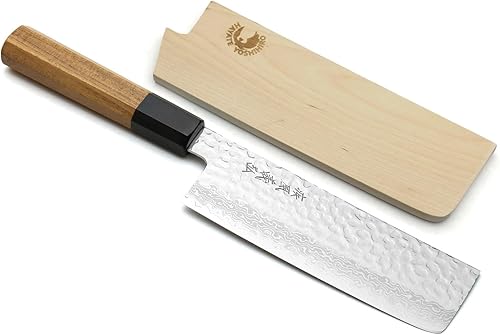
Yoshihiro Hongasumi 6.5" Nakiri
Yoshihiro
A traditional Japanese vegetable knife from Sakai. Perfect for clean vegetable cuts.
Yoshihiro White #2 Nakiri
The Yoshihiro is the specialist pick: buy it for the carbon-steel experience, not because it is the easiest knife to own. White #2 steel can take a very keen edge and feels rewarding on a stone, but it is reactive. You need to hand wash, dry immediately, accept patina, and be careful with acidic foods.
That trade-off is worth it for some cooks. If vegetable prep is a ritual and you already maintain carbon steel, a White #2 nakiri can feel more alive than a basic stainless blade. If you leave knives wet in the sink, choose Tojiro, MAC, or Miyabi.
Best for: enthusiasts, carbon-steel learners, and cooks who already use whetstones.
Skip it if: you want low-maintenance stainless or share your knives with people who may leave them wet.
Nakiri Vs Santoku Vs Gyuto
- Nakiri: dedicated vegetable knife with a flat edge and tall blade. Best as a second knife.
- Santoku: shorter all-purpose knife for vegetables, boneless proteins, and compact boards.
- Gyuto: Japanese chef knife with more length and versatility for proteins, herbs, and larger prep.
If you are choosing only one Japanese knife, buy a gyuto or santoku first. If you already own a main knife and want cleaner vegetable prep, the nakiri makes sense. Our gyuto vs santoku comparison explains the all-purpose choice; this page is for the vegetable specialist.
How To Choose A Nakiri
Length: 165mm or 6.5 inches is the safest home size. Longer nakiri knives can be great, but they need more board space.
Steel: VG-10 and FC61 are easy stainless choices. White #2 and Blue Steel are sharper-feeling carbon options, but they need more care. Use our Japanese knife steel guide if the steel names are blurring together.
Handle: Western handles feel familiar and usually suit shared kitchens. Wa-handles feel lighter and more traditional, but they are more personal.
Edge profile: Look for a genuinely flat or nearly flat edge. Too much belly turns the knife into a santoku-shaped compromise.
Maintenance: Hand wash, dry immediately, avoid glass boards, store safely, and sharpen on stones or with a qualified sharpener. Pull-through sharpeners are a poor match for thin Japanese edges.
Sources Checked
- Tojiro Classic F-502 Nakiri 165mm
- MAC Japanese Series JU-65
- Zwilling: Miyabi Evolution 6.5-inch Nakiri
- MAC Knife about page
Final Verdict
The Tojiro Classic F-502 Nakiri is the best first nakiri for most home cooks because it combines the right 165mm vegetable profile with practical VG-10 stainless-clad construction. The MAC JU-65 is the lighter daily alternative, the Miyabi Evolution is the polished premium stainless pick, and the Yoshihiro White #2 is for cooks who actually want carbon-steel responsibility.
Next Steps: Build the rest of your setup with our best Japanese knives under $100, Tojiro vs Shun comparison, best cutting boards for Japanese knives, and Japanese knife sharpening guide.
Nora Whitfield
Writer, Kitchenware Authority
Nora Whitfield writes Kitchenware Authority's reviews and buying guides. Every knife, pan, and appliance is vetted against maker specifications, materials and safety documentation, and the long-run experience verified home cooks report — not first-hand lab tests.
Upgrade Your Kitchen Skills
Get research-based gear reviews, maintenance tips, and buying guides from the Kitchenware Authority desk.
No spam. Research notes from Nora Whitfield, not invented reader counts.